
A Guide That Walks You Through the Steps
Introduction
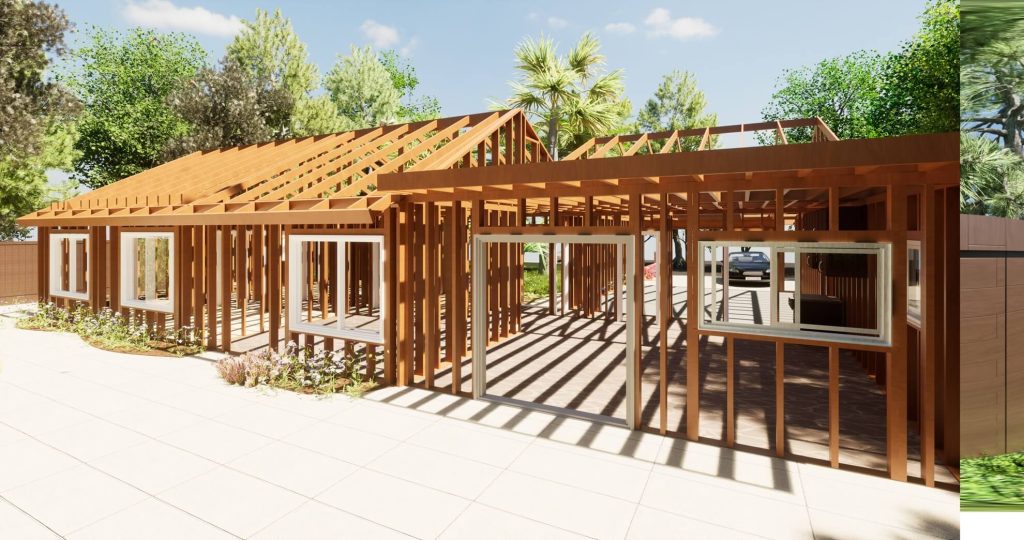
Places like the Bay Area see a lot of earthquake risk. That means every piece of your house structure works hard to keep you safe and guard your belongings. Wall framing counts as one of the key parts in all that. When you frame a wall properly to handle earthquakes, your home turns out much sturdier. It keeps major damage from happening when the shaking starts. You could be putting together a brand new house or working on a remodel job. Maybe you plan to add an extra dwelling unit too. Either way, getting the framing right makes a huge impact on how secure and durable your home stays over time.
1. Pick the Best Materials to Get Started
Framing that resists earthquakes starts off with solid materials every time. Go for lumber that has been kiln-dried and pressure-treated. That gives it extra strength and helps it last longer. If you choose metal framing instead, pick heavy-gauge steel built to California seismic rules. Check all the lumber carefully for any warping or splits. Materials that show weakness can ruin the whole wall setup.
If you need expert help choosing materials, check out Mana Construction Framing Services for professional-grade solutions designed to meet California standards.
2. Make Sure the Foundation Holds Steady
A top-notch framed wall does not do much good without a firm base underneath. Anchor your wall framing right to a concrete foundation that has reinforcement. Use bolts and hold-downs that meet the standards. In designs for earthquakes, those links matter a great deal. They move the shaking forces from the frame down into the earth without trouble.
3. Put in Shear Walls to Handle Side Forces
Shear walls form the main support in framing that fights earthquakes. These walls take on the side-to-side pushes that come during a quake. You build an effective one this way. Grab structural plywood or oriented strand board for the sheathing part. Nail the panels down with the right kind and spacing to match local rules. Put metal straps and tie-downs at each corner so nothing pulls apart. When shear walls go in correctly, they add stiffness to the build. Your house shifts together as a single piece. It avoids bending in odd ways as the ground moves.
Learn more about adding strength to your build at Mana Construction Earthquake Retrofitting page.
4. Strengthen All the Ties and Joints
You need secure fasteners at every spot where parts connect. That goes from the bottom of the wall up to the top plate. Pick hardware rated for seismic use like hurricane ties or metal clips. Add anchor straps too to toughen the joints. The point stays to form a steady path for loads all through. That lets the build soak up shaking energy and spread it out well.
5. Verify Everything Lines Up Straight
Getting things exact counts for a lot here. A wall that sits off level just a bit or shifts out of line weakens the frame overall. Grab a laser level along with a framing square. Make sure every stud stands plumb and spaces out even. You usually want them sixteen inches apart from center. That setup spreads the weight evenly. It boosts the wall strength to the max.
If you’re in the San Francisco Bay Area, refer to San Francisco’s Department of Building Inspection for local construction alignment and framing standards.
6. Stick to the Local Rules for Seismic Work
Cities around the Bay Area set their own framing needs for earthquakes. Those depend on the ground soil and the level of risk in the spot. Talk to the building office in your area before you start any work. Bring in a contractor with a license who knows the local setup. That avoids expensive changes later. It also gets your framing through the checks without issues.
Helpful local links:
San Jose Earthquake Preparedness
Oakland Building & Planning Division
San Francisco Building Inspection
7. Look Over the Work and Fix It Up Before Covering
Get a pro to check the framing once before you close it in with drywall or fill it with insulation. This turns out as your final shot to confirm all the anchors, nails, and links sit right. One overlooked spot could turn into trouble when an earthquake hits.
Conclusion
You need more than basic building know-how to frame walls against earthquakes. Precision comes into play along with good materials. You also have to grasp the ideas behind seismic design. Stick to these steps, and you end up with a build ready for Bay Area shakes. It handles the special demands that come with living there.
Mana Constructions focuses on seismic framing and beefing up structures for houses all over California. We handle jobs from fresh starts on the ground to updates on walls already there. Our crew makes sure every project hits top marks for safety and quality. Reach out to us now
and find out how we assist in building things that last — ready for any ground movement that shows up.